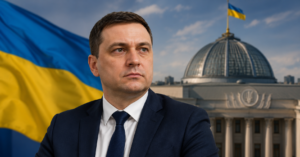

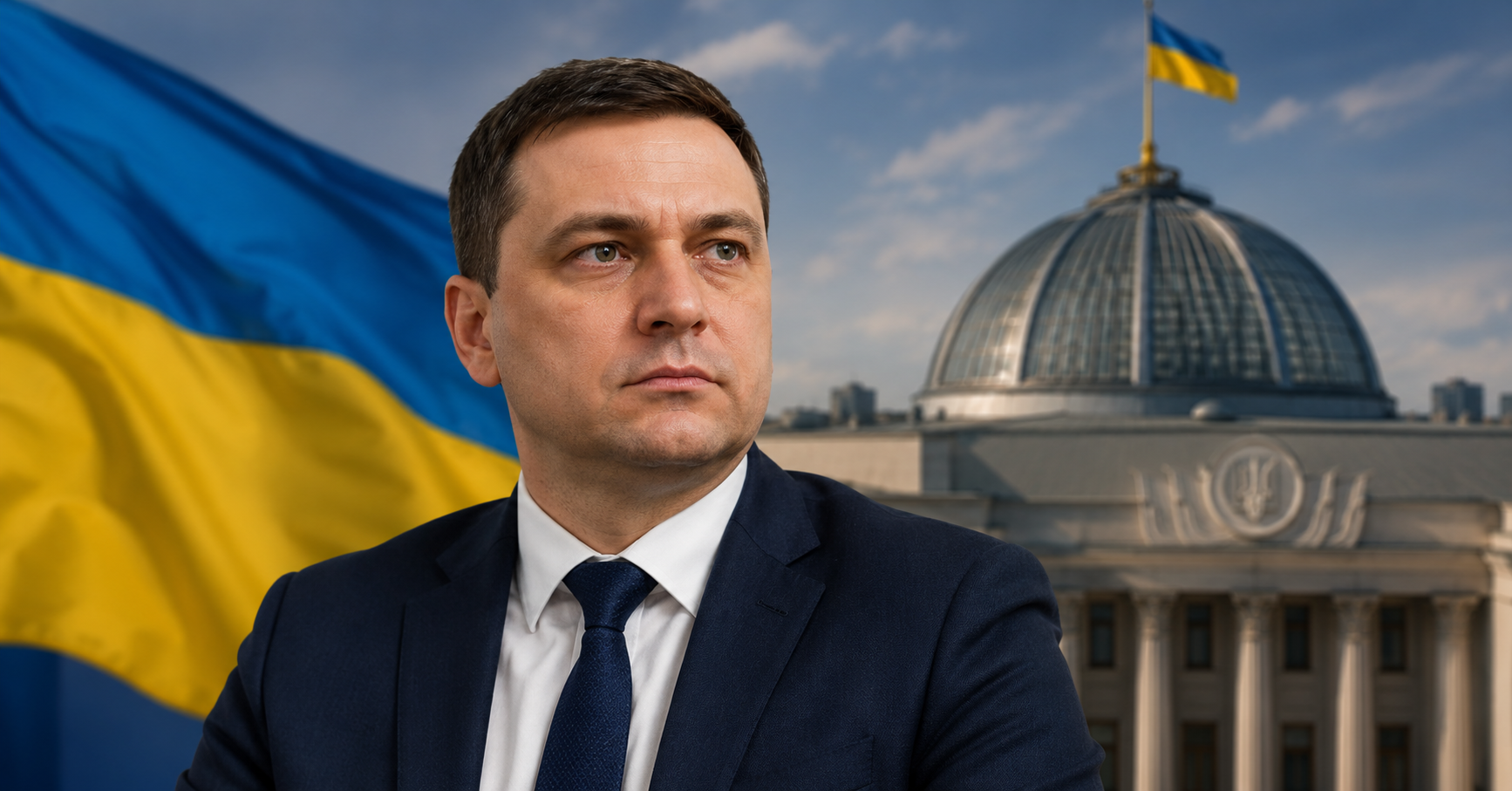
Ukraine has entered a new political chapter after parliament approved Serhii Koretskyi as the country’s new prime minister in a sweeping government reshuffle led by President Volodymyr Zelenskyy. The decision comes at a crucial time as Kyiv prepares for another challenging winter while continuing to defend itself against Russia’s ongoing military campaign.
The Ukrainian parliament voted overwhelmingly in favor of Koretskyi’s appointment, with 289 lawmakers supporting his nomination. Before taking on the new role, Koretskyi served as the head of the state-owned energy company Naftogaz, where he gained extensive experience managing Ukraine’s energy sector during wartime disruptions.
President Zelenskyy said Koretskyi’s background in energy management made him the ideal choice to lead the government during a period when Russia is expected to intensify attacks on critical infrastructure. Ensuring stable energy supplies throughout the winter has become one of Ukraine’s highest national priorities.
The leadership transition follows the resignation of former Prime Minister Yulia Svyrydenko, who stepped down earlier this week. Under Ukrainian law, her resignation automatically resulted in the resignation of the entire cabinet, paving the way for a broad restructuring of the government. Despite leaving the prime minister’s office, Svyrydenko is expected to continue serving in another senior government position.
Government Focus Turns to Winter Preparedness
Speaking after the parliamentary vote, President Zelenskyy emphasized that preparing the country for winter remains the government’s immediate mission. He noted that Russian forces are likely to continue targeting Ukraine’s energy infrastructure, making experienced leadership in the energy sector especially important.
According to Zelenskyy, extensive consultations were held before selecting Koretskyi for the country’s top executive position. The president described him as the most qualified candidate capable of coordinating Ukraine’s energy security, maintaining essential public services, and supporting the nation’s wartime economy.
The appointment forms part of a wider cabinet overhaul designed to strengthen government performance during the ongoing conflict. Zelenskyy has described the reshuffle as an effort to “refresh” Ukraine’s leadership and implement an updated political strategy suited to the country’s evolving challenges.
One of the most debated decisions during the reshuffle was the dismissal of Defence Minister Mykhailo Fedorov. His removal came after only six months in office, surprising many political observers and military experts.
Fedorov had earned praise for expanding Ukraine’s drone procurement programs and accelerating modernization efforts within the armed forces. He was also regarded as a trusted partner by several Western allies supporting Ukraine’s defense capabilities.
The decision to replace him has sparked criticism from lawmakers, military reform advocates, and defense analysts. Many warned that changing leadership within the defense ministry during an active war could slow ongoing reforms and disrupt cooperation with international partners.
Public reaction was also swift. Demonstrators gathered outside Ukraine’s parliament building and the presidential office in Kyiv, carrying signs supporting Fedorov and questioning the government’s decision. Protesters reportedly chanted slogans calling on authorities not to replace officials whose policies they believed were producing positive results.
Meanwhile, parliament is expected to continue voting on additional cabinet appointments as the government restructuring moves forward. Among the anticipated changes is the possible appointment of Interior Minister Ihor Klymenko as the country’s new defense minister, although officials have yet to formally confirm the nomination.
The cabinet reshuffle reflects Ukraine’s effort to adapt its leadership structure while facing continued military pressure, economic challenges, and repeated attacks on critical infrastructure. With winter approaching, the new administration will be expected to strengthen energy resilience, maintain public confidence, and coordinate national defense alongside international allies.
As Serhii Koretskyi assumes office, attention will focus on how quickly the new government implements its priorities and responds to both domestic expectations and the continuing demands of the war. His leadership is likely to play a significant role in shaping Ukraine’s resilience during the months ahead.